Unleash Raw Authenticity: 50 Grunge Textures in One File
There is a distinct visual language that speaks of history, resilience, and raw emotion. It is found in the peeling paint of a downtown alleyway, the rusted metal of a forgotten factory, and the scratched surfaces of a vintage camera lens. For designers, capturing this authentic, worn-in aesthetic is a powerful way to create work that feels genuine and textured. This is precisely the power of 20 Grunge Texture Backgrounds in One, a comprehensive collection that bundles 50 distinct, high-resolution grunge-themed texture images into a single, indispensable design asset.
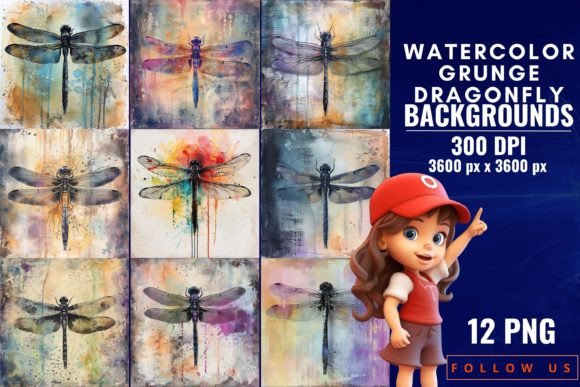
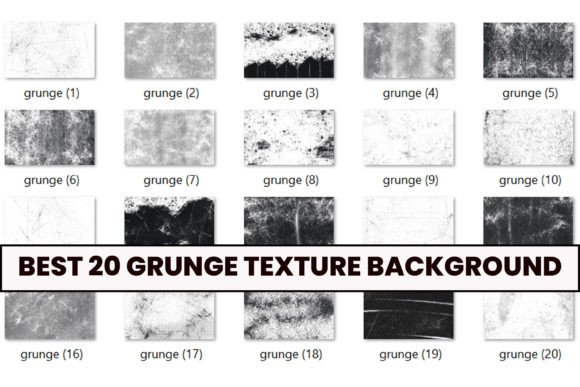
This isn't just a folder of random images. Think of it as a curated library of visual grit. The collection brings together a wide spectrum of distressed surfaces, from the subtle, dusty haze of Dust and Scratched Textured Backgrounds to the stark, impactful presence of a Grunge white and black wall background. You'll find the complex, organic patterns of an Abstract background, old metal with rust, perfect for adding an industrial or vintage feel. Each file is a JPG, designed for immediate use, and the high image resolution ensures your designs remain crisp and professional, even when scaled for large print projects like posters and banners.
Where Grit Meets Design: Practical Applications
The true value of a versatile asset like 20 Grunge Texture Backgrounds in One lies in its application. These textures are not merely decorative; they are tools for storytelling and establishing a specific mood. For the entrepreneur crafting a brand identity, a subtle texture can communicate heritage and craftsmanship. A coffee roaster might use a paper-like texture on their packaging to evoke a rustic, handmade quality. A craft brewery could use a concrete or metal texture on their labels to suggest an urban, edgy brand personality.
For marketers and content creators, these backgrounds are a shortcut to creating scroll-stopping social media graphics. A flat, solid color background can feel sterile and corporate. By applying a grunge texture as an overlay illustration over any design to create grungy vintage effect and extra depth, you instantly add a layer of visual interest and authenticity. It works beautifully for quote graphics, product announcements, and event promotions. The key is to use these textures to support your message, not overwhelm it. A faint, dusty texture can make text feel more approachable, while a bold, cracked paint surface can convey a sense of rebellion or urgency.
Think beyond the digital screen. In editorial design, a textured background can transform a standard magazine page or book cover into something tactile and immersive. For packaging design, it can differentiate a product on a crowded shelf. Even in web design, a carefully applied texture in a header or footer can break the monotony of flat design and give a site a unique, memorable character. The collection's variety ensures you have the right texture for any context, whether you need the subtle grain of old film or the aggressive abrasion of a painted wall.
Integrating Texture with Type: A Guide for Designers
Using a powerful design asset like this requires a thoughtful approach, especially when it comes to typography. The goal is harmony, not competition. A bold, distressed grunge texture pairs exceptionally well with clean, simple typefaces. Consider using a strong sans serif font for headlines; its geometric clarity will stand in stark contrast to the organic chaos of the texture, ensuring excellent readability. For a more classic, editorial feel, a timeless serif font can work beautifully, its refined strokes offering an elegant counterpoint to the rough background.
Avoid pairing these textures with overly ornate script fonts or complex handwritten fonts unless you are extremely careful. The competing details can create visual noise, making text difficult to read and muddying your message. The principle of contrast is your best friend here. If the texture is busy, simplify your typography. If you're using a very subtle texture, you have more freedom to experiment with a more decorative typeface.
Choosing the Right Texture for Your Project
With 50 options, selection can feel daunting. Start by defining the emotion you want to evoke. Are you going for vintage nostalgia, urban decay, or subtle sophistication? For a retro poster design, a scratched film grain or a faded paper texture is ideal. For a modern, industrial brand, the rusted metal or concrete textures are perfect. For a clean logo design that needs just a hint of character, a very light, neutral dust texture can be used as a subtle overlay.
Always test your chosen texture with your other design elements. Place your text, images, and logos over it. Does the texture distract from the focal point? Is the text still easy to read at a glance? Sometimes, reducing the texture's opacity or using a blend mode like "Multiply" or "Overlay" can help it integrate more seamlessly. Remember, the texture should enhance your design's narrative, not become the entire story. By using 20 Grunge Texture Backgrounds in One with intention, you move beyond generic design and create work with depth, personality, and a compelling, tangible quality that resonates with your audience.