Why Vintage Paper Textures Are a Secret Weapon for Modern Design
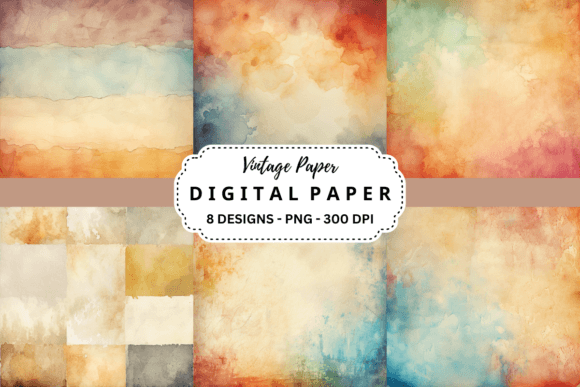
In a digital landscape saturated with crisp vectors and sterile gradients, there's a powerful counter-movement happening. It's a return to tactility, to the imperfect beauty of aged materials. This is precisely where a set of high-quality Vintage Paper Textures Backgrounds becomes more than just a design asset—it becomes a narrative tool. We're not talking about a font here, but something equally foundational: the very canvas upon which your typography and imagery will live. These textures provide an instant sense of history, warmth, and authenticity that can transform a flat, digital project into something with soul and story.
The Character and Appeal of Authentic Texture
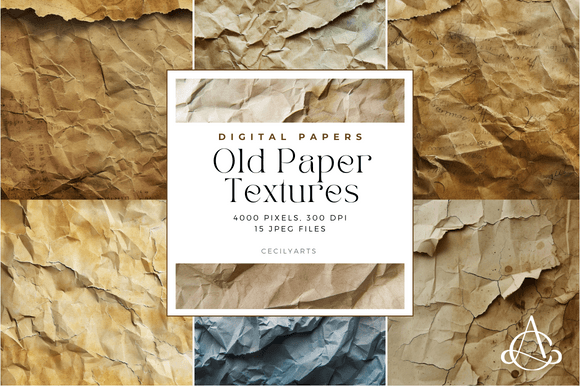
A true vintage paper texture is a symphony of subtle details. It's the soft, uneven yellowing of parchment, the faint foxing of age spots, the gentle creases that whisper of handling, and the subtle grain that mimics the fiber of handmade paper. The Vintage Paper Textures Backgrounds collection delivers this in high-resolution 300 DPI PNG files, ensuring that every nuance is preserved. At 3600 x 3600 pixels, they offer immense flexibility, allowing you to scale them for large-format prints or use them as subtle overlays in digital work without losing quality. The personality of these textures is one of understated elegance and rugged charm. They don't scream for attention; instead, they create a mood—a nostalgic backdrop that makes foreground elements, whether they are display fonts or product photography, stand out with greater clarity and emotional impact.
Where Texture Truly Shines: Real-World Applications
The versatility of these backgrounds is their greatest strength. Think beyond the obvious. Yes, they are perfect for scrapbooking and invitations card design, but their utility extends deep into commercial and digital realms.
- Brand Identity & Packaging Design: For brands rooted in craftsmanship, heritage, or organic values, these textures add a layer of perceived quality and tradition. Use them as a background for your logo on a business card, or as the base for a packaging design that feels artisanal and trustworthy. They help build a brand identity that feels established and real.
- Digital Presence & Social Media: On platforms like Instagram or Pinterest, a textured background can stop the scroll. Use them for social media graphics, quote posts, or behind-the-scenes content. They provide a consistent, recognizable aesthetic that enhances visual hierarchy and makes text pop. When paired with a clean sans serif font, the contrast is both modern and engaging.
- Editorial & Web Design: In editorial design for magazines, blogs, or e-books, a subtle paper texture in the margins or behind pull quotes can guide the reader's eye and reduce the sterile feel of a white digital page. For web design, they can be used sparingly as hero image backgrounds or in section dividers to add depth and break monotony.
- Print on Demand & Product Design: This is where the high resolution truly pays off. Apply these textures to poster & banner design, printing labels, or even wrapping paper. For a print on demand shop selling journals, art prints, or apparel, these textures can become a signature part of your product line, adding a premium, tactile feel that customers love.
Practical Guidance for Seamless Integration
Simply slapping a texture on a project isn't enough. To use these assets effectively, you need a thoughtful approach.
- Evaluate Project Fit: First, ask if texture aligns with your message. A sleek tech startup might not benefit from a weathered parchment, but a boutique coffee roaster certainly would. The texture should support, not contradict, your narrative.
- Master the Art of Pairing: Font pairing is critical. A strong, clean serif font or a bold modern typography sans serif often pairs beautifully with a busy texture, ensuring readability. Avoid highly detailed script fonts or handwritten fonts directly on top of a textured background, as they can become lost. Use texture as a background layer, and place your text on a semi-opaque shape or a cleaner area of the texture.
- Test for Readability & Hierarchy: Always print a proof or view your design on multiple screens. Check that your primary headline and body copy maintain sufficient contrast. The texture should enhance visual hierarchy, not flatten it. You might need to adjust the texture's opacity or apply a slight blur to the area behind text.
- Consider Commercial Use: Since these are design assets intended for a wide range of projects, including commercial ones, it's vital to understand the license. A clear commercial license, often included with premium font and asset packs, allows you to use the textures in products for sale, client work, and marketing materials without legal worry, which is essential for entrepreneurs and small business owners.
Ultimately, incorporating Vintage Paper Textures Backgrounds into your workflow is about adding a layer of human experience to digital creation. They bridge the gap between the screen and the physical world, evoking a sense of permanence and care that audiences instinctively respond to. In the pursuit of professionalism and audience engagement, sometimes the most powerful tool is one that embraces the beautiful imperfections of the past.