Old Paper Textures Backgrounds: A Timeless Canvas for Creativity
Understanding the Allure of Aged Surfaces
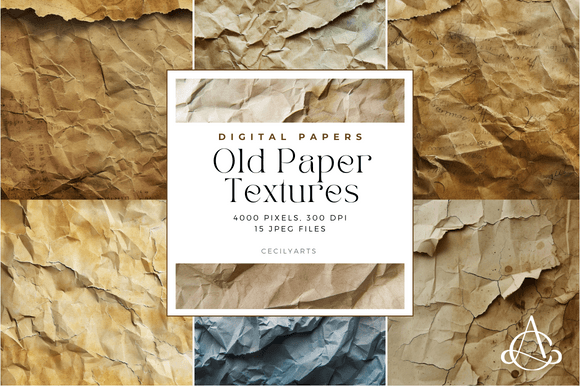
There is an undeniable warmth and narrative depth that comes with old paper textures. These backgrounds are more than just digital files; they are windows into the past, offering a rich, tactile experience that modern, clean surfaces often lack. Imagine the subtle grain of parchment, the soft, uneven yellowing of aged vellum, or the faint, elegant foxing spots that tell a story of time and use. This collection captures that essence perfectly. Each of the 15 high-resolution JPEG files is a carefully curated piece of digital ephemera, designed to infuse your projects with an authentic, vintage character. The textures are not uniformly distressed; they have personality, with variations in tone, fiber, and wear that make them feel genuinely discovered rather than digitally manufactured.
The visual appeal lies in their versatility and mood. A light, cream-toned paper with delicate aging can evoke a sense of nostalgia for a wedding invitation or a heritage scrapbook page. A darker, more heavily textured background with pronounced creases and stains can set a dramatic, moody tone for a book cover, a poster, or a brand identity that values rustic authenticity. Unlike a flat color, these textures provide a dynamic foundation. They interact with foreground elements—typography, illustrations, and photos—creating depth and visual interest that helps designs stand out in a crowded marketplace. They are a powerful tool for adding a layer of sophistication and storytelling to any visual medium.
Strategic Applications for Modern Creators
The true value of these old paper textures is realized in their application. For designers and brand strategists, they are a secret weapon for crafting a unique brand identity. A logo placed on a subtly aged background can instantly communicate heritage, craftsmanship, and timelessness—qualities highly valued in artisanal, gourmet, or boutique brands. In packaging design, these textures can transform a simple label into a tactile experience, suggesting that the product inside is made with care and tradition. The backgrounds work exceptionally well for businesses in the food, beverage, craft, and lifestyle sectors where authenticity sells.
For digital creators and marketers, the applications are equally potent. Social media graphics gain a scroll-stopping quality when layered over a vintage paper texture. It breaks the monotony of the digital feed, adding a human, crafted touch that resonates with audiences tired of sterile, corporate visuals. Bloggers and content creators can use these as featured image backgrounds to unify their site’s aesthetic, or as textures for quote graphics and promotional materials. In editorial design and publishing, they are invaluable for creating chapter headers, section breaks, or full-page backgrounds in digital magazines and e-books that aim for a classic, literary feel. Even in web design, a carefully chosen texture can be used as a subtle background for a sidebar or a header, adding warmth without compromising readability.
Practical Guidance for Implementation and Pairing
Integrating old paper textures effectively requires a thoughtful approach. The first step is to consider the project’s tone. Is it whimsical and romantic, or serious and historical? Lighter, cleaner textures with minimal distressing suit brighter, more cheerful designs. Heavily stained and torn papers are better for edgy, rustic, or gothic themes. Always test the texture behind your primary elements. Ensure your text, whether it’s a bold sans serif font or an elegant script font, maintains high contrast and legibility against the texture’s tonal variations. Sometimes, placing a semi-transparent white or colored shape behind text can create a clear reading area while still showcasing the beautiful background.
Font pairing is crucial. The organic, often irregular nature of these backgrounds pairs wonderfully with both classic and contemporary typefaces. A strong, geometric sans serif font can create a striking modern contrast against the vintage paper, making the design feel fresh and intentional. Alternatively, pairing with a serif font with moderate contrast can enhance the traditional, timeless feel. For a truly authentic look, consider using a handwritten or script font for headlines, mimicking the style of old correspondence or ledgers. The key is to let the texture support, not overwhelm, your typography. Use the texture as a foundational design asset, not the main event.
These files are delivered as high-resolution, print-ready assets (4000x4000 pixels, 300 DPI), making them suitable for both digital and physical projects. Whether you are creating a printable card, a large-format poster, or a website banner, the quality will hold up. Remember, this is a digital download, giving you the flexibility to use the textures repeatedly across multiple personal and commercial projects, which is a significant advantage for entrepreneurs and small business owners building a consistent visual language. The instant download means you can start experimenting immediately, testing different backgrounds with your existing brand colors and fonts to discover the perfect combination that tells your unique story.