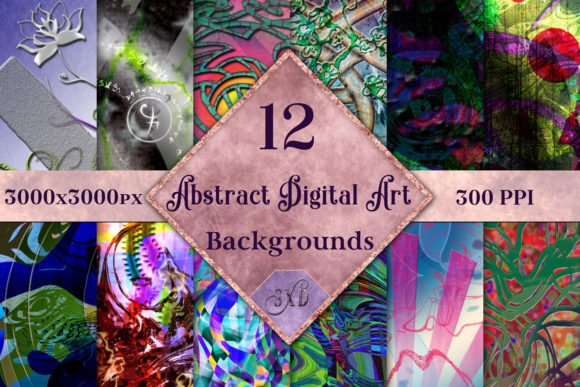
Unleashing Creativity: Abstract Digital Art Backgrounds
Finding the right visual foundation for a project can often feel like searching for a needle in a haystack. We spend hours scrolling through stock sites, looking for that perfect blend of color and texture that doesn’t look like everyone else’s. That is exactly the itch the Abstract Digital Art Backgrounds set aims to scratch. This isn't just another generic collection of gradients; it is a curated set of 12 distinct, high-resolution images derived from original surreal and abstract drawings. For designers, marketers, and content creators who need to break away from the monotony of standard stock imagery, this collection offers a fresh perspective on digital texture and depth.
The Anatomy of a Surreal Backdrop
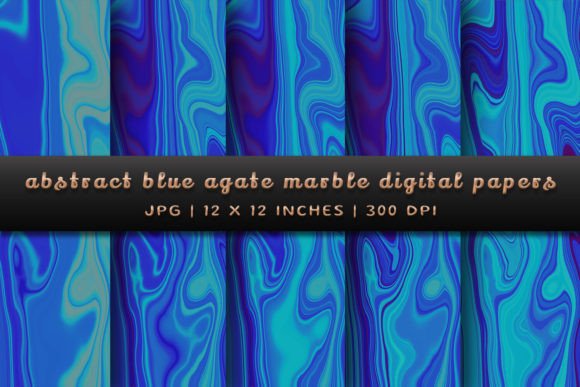
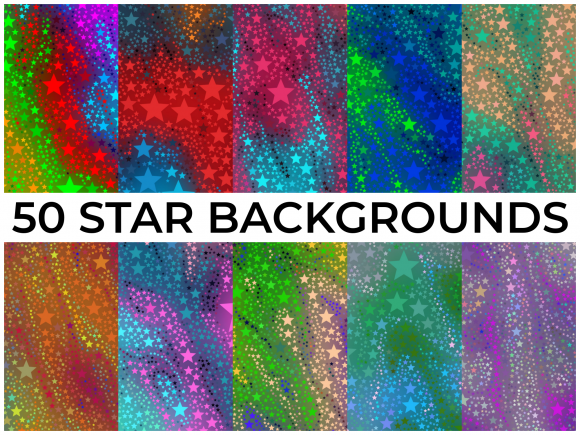
Visually, this collection stands out because of its origin story. These aren't computer-generated geometric patterns; they are digitized versions of hand-drawn abstract art. This gives the Abstract Digital Art Backgrounds a unique "personality"—a blend of digital precision and organic flow. The designs are colorful and surreal, offering a sense of movement and complexity that static backgrounds often lack. When you look at them, you see swirling colors and intricate shapes that can evoke different emotions depending on how you crop or overlay them.
Technically, the assets are robust. Each image measures 3000x3000 pixels at 300 PPI. This is a crucial detail for anyone working in professional publishing or print. A 300 PPI (pixels per inch) resolution ensures that these backgrounds are print-ready, meaning you can use them for magazine covers, posters, or packaging without the image looking muddy or broken up. While the creator notes that some images might exhibit slight pixelation if viewed at 100% zoom on massive screens, they have been specifically selected to remain relatively smooth and usable at standard full-size applications. It is a practical trade-off that prioritizes artistic quality over sterile perfection.
Strategic Applications for Modern Creators
So, where does a set like Abstract Digital Art Backgrounds actually fit into a workflow? The versatility is surprisingly broad. Because these are not seamless tiles, they function best as standalone focal points rather than repeating web patterns. Think of them as "hero" images.
For social media graphics, these are gold. Platforms like Instagram and LinkedIn are crowded with flat colors. Using a surreal, abstract background behind a quote, a product announcement, or a podcast episode creates immediate thumb-stopping power. The complexity of the art adds a layer of professionalism and high-end branding to what might otherwise be a simple text post.
In web design, while you wouldn't use these as a tiled background, they are excellent for landing page hero sections or newsletter headers. They provide a rich visual texture that can make typography pop, especially if you are using a clean sans serif font or a bold display font. The key is contrast; the chaotic beauty of the background pairs well with structured, modern typography.
Furthermore, for those in the editorial design space—magazines, e-books, or reports—these images work wonderfully as chapter dividers or cover art. The 3000x3000px size allows for generous cropping, letting you find the "sweet spot" of the composition that fits your specific layout needs without losing quality.
Integrating Abstracts into Brand Identity
Using Abstract Digital Art Backgrounds effectively requires a bit of strategic restraint. Because the designs are vibrant and surreal, they have a strong voice. If you are building a brand identity, you want to ensure the background supports your message rather than shouting over it.
A practical approach is to use these backgrounds for accent materials rather than primary logos. For instance, a small business owner might use a solid color for their main logo but use an abstract background for their business card backing, their website’s "About Me" section, or their product packaging inserts. This creates a cohesive, artistic vibe without compromising the readability of essential information.
When it comes to font pairing, treat these backgrounds as you would a complex illustration. You need breathing room. Avoid using script fonts or highly decorative handwritten fonts directly on top of the busiest parts of the image; the legibility will drop instantly. Instead, place a semi-transparent overlay (a shape or a slight tint) between the text and the image. This allows you to use elegant serif fonts or clean sans serif fonts while maintaining the visual hierarchy. The goal is to let the abstract art create the mood, while your typography delivers the message clearly.
Practical Considerations for Your Workflow
Before downloading, it is helpful to understand the file logistics. The set comes as a single .ZIP file containing 12 .JPG images. JPG is the standard for photographic and complex image data because it balances quality with file size, making these assets easy to store and quick to load in design software like Photoshop, Illustrator, or Canva.
Since these are not seamless, plan your design layout accordingly. You are working with a fixed canvas. However, because the art is abstract, you can often mirror, rotate, or heavily crop the images to create variations that look like entirely different assets. This "creative cropping" can effectively give you 24 or 36 different looks from a set of 12 images.
For marketers and entrepreneurs looking for premium design assets, this collection offers a cost-effective way to elevate visual content. Instead of commissioning custom artwork for every campaign, you can utilize these backgrounds to give your web design, packaging design, and promotional materials a consistent, high-end artistic flair. It is about finding the balance between the raw energy of the art and the structured needs of your project.