Farm Tractor Backgrounds: A Designer's Toolkit for Rustic Authenticity
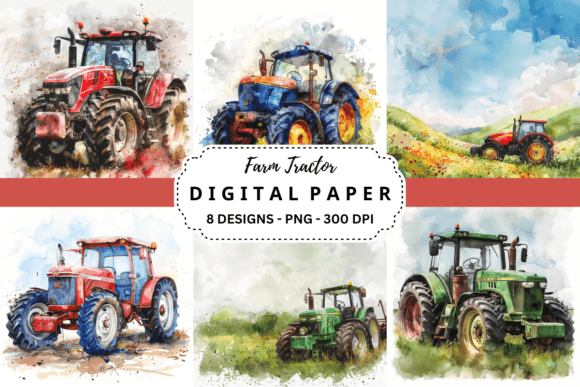
There's a certain texture to rural life that's hard to capture digitally. It's in the weathered paint of a barn door, the rich earth of a freshly plowed field, and the sturdy silhouette of a tractor against a sunset. For designers and creators, finding a way to inject that genuine, grounded feeling into a project can be a challenge. This is where a dedicated set of Farm Tractor Backgrounds becomes more than just a collection of images; it becomes a foundational design asset. This particular set offers eight high-resolution, 3600 x 3600 pixel PNG files at 300 DPI, providing the kind of professional-grade material that elevates work from simple to sophisticated.
Understanding the Visual Language of the Collection
The appeal of these backgrounds lies in their specific character. They aren't generic pastoral scenes. Each image focuses on the tractor itself—often in a state of working repose or as a central, iconic object within a broader agricultural landscape. The visual personality is one of rustic authenticity and functional beauty. You'll find compositions that emphasize texture: the grit of soil, the grain of wood, the patina of metal. The style leans towards a natural, often slightly desaturated color palette that feels earthy and real, avoiding the over-saturated look of stock imagery. This makes the collection exceptionally versatile for projects that need to convey heritage, reliability, craftsmanship, or a connection to the land.
Strategic Applications Across Creative Projects
Knowing what you have is one thing; knowing how to deploy it effectively is another. These backgrounds are premium digital assets, and their high resolution makes them suitable for a vast range of applications where quality is non-negotiable. Consider their use in brand identity for a farm-to-table restaurant, an organic skincare line, or a local brewery. The backgrounds can serve as the backdrop for logo presentations, business cards, and menu designs, instantly building a cohesive and evocative brand story.
For editorial design and publishing, they are perfect for magazine features on agriculture, sustainable living, or rural travel. A well-chosen background can frame a headline or set the scene for a photo essay. In the realm of packaging design, imagine these textures behind product information for artisanal foods, specialty coffee, or gardening tools. The backgrounds provide a layer of context and authenticity that speaks directly to a consumer's desire for genuine products.
The digital space is equally fertile ground. Social media graphics for businesses in the agricultural sector, outdoor brands, or even financial services targeting rural communities gain instant credibility. For web design, a carefully implemented background can create a powerful hero section or a subtle texture for a blog post about countryside living. The practical value extends into print-on-demand projects, where the high DPI ensures sharp, professional results on posters, banners, invitations, and even wrapping paper. The key is to use them not as a mere decoration, but as an active component of the visual narrative.
Making the Right Choice for Your Project
Integrating a new set of assets into your workflow requires a thoughtful approach. First, evaluate the project fit. Does the theme of "farm tractor" align with your client's message or your personal project's tone? It's a specific niche, but within that niche, it's incredibly powerful. The rustic, hardworking aesthetic isn't right for a tech startup's homepage, but it's perfect for a brand selling heritage seeds.
Next, consider font pairing. The backgrounds themselves are not a typeface, but they demand careful typographic companionship. A rugged background pairs beautifully with a clean, modern sans serif font for body text, creating a pleasing contrast. For headlines, you might explore a sturdy serif font or even a handwritten font with a natural, unpretentious style to complement the rural vibe. Avoid overly ornate or delicate script fonts that might clash with the grounded nature of the imagery.
Always test your selections. Lay out a sample design with your chosen background, fonts, and color palette. Check the readability of text over the image. You may need to apply a subtle color overlay or use a text box with a semi-transparent background to ensure your message isn't lost in the texture. The goal is visual hierarchy, where the background supports the content without overwhelming it.
Finally, understand the licensing. This set is marketed as perfect for commercial projects, which is a significant advantage. For entrepreneurs and small business owners, having a clear commercial font and asset license is crucial. It allows you to confidently use these backgrounds in designs you sell, in client work, or in marketing materials, removing any ambiguity about usage rights. This professionalism in your assets directly translates to a perception of professionalism in your brand.
Elevating Your Work with Contextual Texture
In a world saturated with sleek, digital-first aesthetics, the deliberate use of textured, thematic backgrounds like these can be a strategic differentiator. They help build a brand perception that is tangible, trustworthy, and rich with story. For the designer, marketer, or crafter, having a library of such high-quality, context-specific design assets is not about following a trend. It's about having the right tools to communicate a specific feeling and connect with an audience on a deeper, more authentic level. The Farm Tractor Backgrounds collection is precisely that kind of tool—a versatile, high-resolution foundation for countless creative endeavors.