Infuse Artisanal Charm: Working with Rainbow Crochet Textures
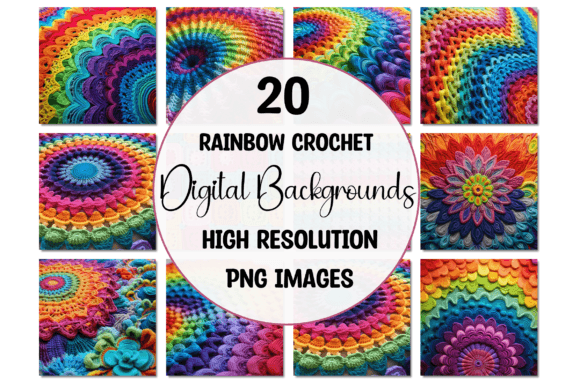
In the realm of digital design, we often find ourselves searching for that perfect element that bridges the gap between digital precision and handmade warmth. Rainbow Crochet Texture Backgrounds offer exactly that—a vibrant, tactile aesthetic that immediately evokes comfort, creativity, and nostalgia. These aren't just standard patterns; they are high-resolution digital art prints that capture the intricate loops and stitches of actual crochet work, rendered in a full spectrum of color. For designers, marketers, and hobbyists, these textures provide a unique way to break through the noise of generic geometric patterns and flat colors.
Visual Characteristics and The "Handmade" Appeal
When you first open a file from this collection, the immediate impression is one of depth and craftsmanship. The visual style relies on the interplay of light and shadow within the yarn loops, creating a three-dimensional effect that is often missing in standard digital assets. This style is categorized as a creative font of sorts for your background layer—it sets a distinct tone before a single word of body copy is placed. The "Rainbow" aspect isn't just about primary colors; it refers to a rich, layered use of gradients and spectrum transitions that give the artwork a psychedelic or bohemian flair, depending on how it is applied.
Unlike a serif font or sans serif font which dictates readability through letterforms, these textures dictate mood. The personality here is approachable, artistic, and organic. It appeals to an audience that values authenticity—think indie publishers, sustainable brands, and lifestyle bloggers. The modern typography movement has seen a shift toward incorporating these organic textures to soften the hard edges of digital communication. By using a Rainbow Crochet Texture Background, you are signaling to your audience that your brand values detail and human touch.
Strategic Applications: From Scrapbooks to Brand Identity
Understanding where these backgrounds work best is key to maximizing their value. Because the files are delivered as 3600 x 3600 pixel PNGs, they are massive design assets suitable for high-resolution print and expansive digital displays.
Digital Presence and Social Media
For content creators and social media managers, these textures are gold. They serve as excellent backgrounds for Instagram posts, Pinterest pins, and Facebook covers. The intricate texture prevents the background from looking "empty," allowing you to place text or a simple logo overlay without the image feeling sparse. If you are working on web design, consider using these as hero sections for lifestyle blogs or artisanal e-commerce sites. The texture adds a layer of brand identity that feels curated rather than stockpiled.
Physical Products and Publishing
For the scrapbooker or journal enthusiast, the application is obvious—these digital papers print beautifully for junk journals, planner stickers, and collage elements. However, the commercial potential goes further. Packaging design for handmade soaps, yarns, or boutique goods can leverage these textures to create a cohesive look that screams "handmade quality." Similarly, in editorial design, these backgrounds can be used for magazine feature headers or book covers in the children's or lifestyle genres, adding a whimsical, tactile element to the reading experience.
Design Mechanics: Hierarchy, Pairing, and Readability
Integrating a complex texture like a crochet weave into a layout requires a thoughtful approach to visual hierarchy. Because the background is busy, your foreground elements need to stand out clearly.
Font Pairing is critical here. You would not want to place a highly detailed script font or a delicate handwritten font directly on top of the texture without a buffer, as the loops of the yarn might clash with the loops of the letters. Instead, consider using a bold, clean display font or a heavy sans serif font for headlines. These bolder typefaces have enough visual weight to rise above the texture.
Furthermore, practical legibility often dictates the use of a "knockout" shape. Placing a semi-transparent white box, a solid color block, or a vellum overlay behind your text ensures that your message is readable while still allowing the Rainbow Crochet Texture to frame the content. This technique maintains the professionalism of the layout while utilizing the premium font style of the background art.
Practical Guidance for Implementation
To get the most out of these assets, treat them as you would any high-end commercial font or stock photo. Here are a few recommendations for your workflow:
- Evaluate the Resolution: The 3600x3600 size is excellent, but if you are using this for a green screen background in video production, ensure your project timeline matches the aspect ratio. For print, this resolution allows for cropping without losing the sharp lines and rich colors that define the artwork.
- Color Grading: While the colors are vibrant, don't be afraid to adjust the hue and saturation in Photoshop or Canva to match a specific brand identity. A slight desaturation can turn a psychedelic rainbow into a sophisticated pastel palette suitable for wedding invitations.
- Testing for Fit: Before committing to a large print run or a full website redesign, test the texture on a small scale. Does it distract from your product photography? Does it enhance your text? The goal is to support your content, not overshadow it.
Ultimately, Rainbow Crochet Texture Backgrounds are more than just digital paper; they are a design solution for anyone looking to inject personality into their projects. Whether you are designing a logo, curating a scrapbook, or building a social media presence, these textures provide the perfect balance of color, detail, and artisanal charm. By pairing them with the right typography and layout strategies, you can create visuals that are not only beautiful but also deeply engaging for your audience.