Plain Linen Texture Backgrounds: The Unsung Hero of Professional Design
Why Textures Like Linen Elevate Your Brand's Visual Story
Every designer knows that the foundation of a great composition is often the element that gets the least attention. We spend hours perfecting typography, refining color palettes, and adjusting layout grids, but if the canvas itself feels flat, the entire project can fall apart. This is where the power of Plain Linen Texture Backgrounds comes into play. These aren't just filler images; they are sophisticated design assets that bridge the gap between the digital world and tactile reality. When you use a high-quality linen texture, you are doing more than just filling white space—you are inviting the viewer to "feel" the design through their screen.
The appeal of a linen texture lies in its organic irregularity. Unlike a solid color block which can feel sterile, or a busy pattern which can overwhelm your content, linen offers a subtle, woven grain. It mimics the fabric we associate with comfort, heritage, and durability. For a brand strategist or a small business owner, this texture communicates authenticity. It suggests that the product or service being offered is crafted with care, grounded in tradition, yet capable of fitting into modern aesthetics. It is a versatile choice that works seamlessly across various industries, from high-end fashion lookbooks to rustic bakery menus.
Integrating Linen into Modern Design Projects
Understanding how to deploy these textures is key to maximizing their value. The beauty of a resource like the Plain Linen Texture Backgrounds collection is its adaptability. You aren't locked into a single use case. For web designers, a linen texture serves as an excellent backdrop for content-heavy sites. It adds depth without distracting from the text, ensuring that your readability remains high. When used behind a serif font for a blog header, it creates an editorial, magazine-like feel. Conversely, pairing it with a bold, modern sans serif font can create a striking contrast between the organic background and the sharp, geometric text.
For those in the marketing and social media space, visual hierarchy is everything. A flat, white background often gets lost in a busy social feed. However, a subtle linen texture provides enough visual interest to stop the scroll. It frames your product photography beautifully, especially for items like jewelry, stationery, or home goods. The texture grounds the product in a real-world setting. It also works incredibly well for "quote cards" or testimonials, giving the text a polished, premium look that implies the words carry weight and authority.
Print designers will find these textures equally valuable. In packaging design, the tactile sensation is often simulated visually before the product is even manufactured. Using a linen texture on a label design or a business card mockup instantly elevates the perceived value of the item. It suggests a heavy, premium paper stock even when viewed on a screen. This psychological trigger is crucial for entrepreneurs looking to position their brand in the luxury or artisanal market. The texture implies that the contents are high-quality, making it a silent salesperson for your brand identity.
Technical Specifications and Practical Application
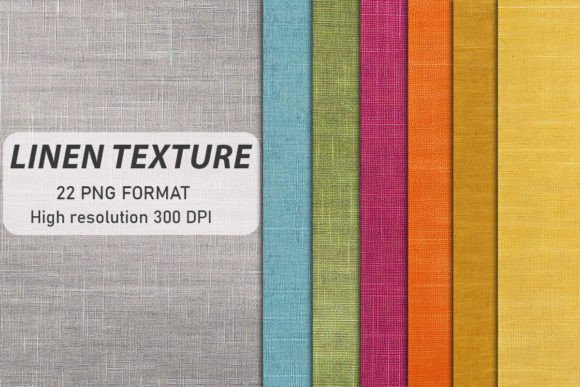
One of the most common pain points for designers is finding assets that are actually usable in professional workflows. Low-resolution images or restrictive file types can derail a project timeline. This is why the technical specifications of the Plain Linen Texture Backgrounds set are worth noting. With 22 distinct PNG files included, you have a robust library of variations to choose from. This variety prevents your designs from looking repetitive across different campaign touchpoints. Whether you need a lighter weave for a spring campaign or a darker, heavier texture for a winter collection, the options are there.
The dimensions—approx 4672 x 4096 pixels at 300 DPI—are designed for professional versatility. This high resolution means you can safely use these textures for large-format printing, such as banners, posters, or trade show displays, without worrying about pixelation or blurring. At the same time, they are perfectly optimized for digital use. The files are delivered in a .ZIP format, which is standard for digital asset management, ensuring that you can store and retrieve them easily on either a PC or Mac. It is important to remember that while these are large files, they are raster-based (PNG), not SVG or vector files. This means they are not designed for cutting machines, but rather for layering in software like Photoshop, Illustrator, or Canva.
Maximizing Your Asset Library
As a creative professional, your time is your most valuable asset. Scouring the internet for the perfect background image for every single project is inefficient. By investing in a comprehensive set like this, you are building a reliable toolkit. The ability to resize these textures without significant quality loss is a major advantage. It allows you to crop in tightly to create a specific texture effect or zoom out to cover a full webpage background. The consistency of the texture across the 22 files helps maintain visual cohesion in your brand identity system. Even if the colors vary slightly depending on your monitor or printer calibration, the underlying grain and weave pattern remain consistent, ensuring your designs always look intentional and curated.
Ultimately, design is about communication. The tools you choose tell a story. A Plain Linen Texture Background