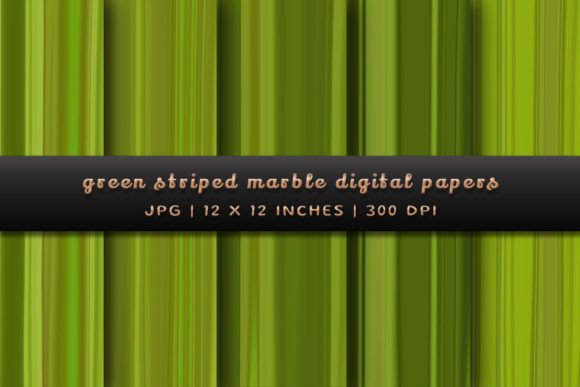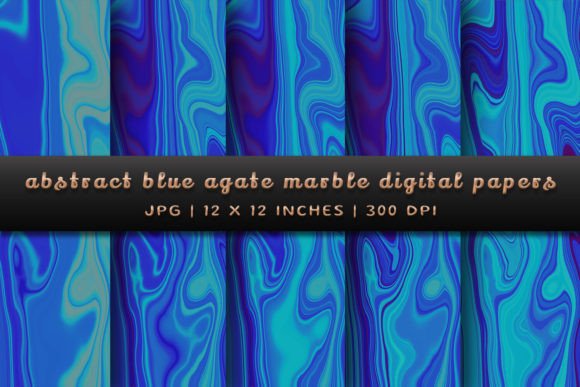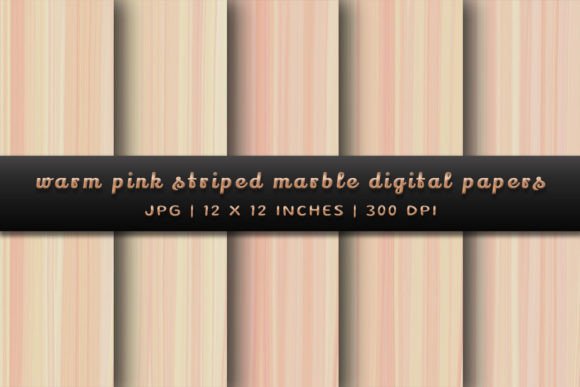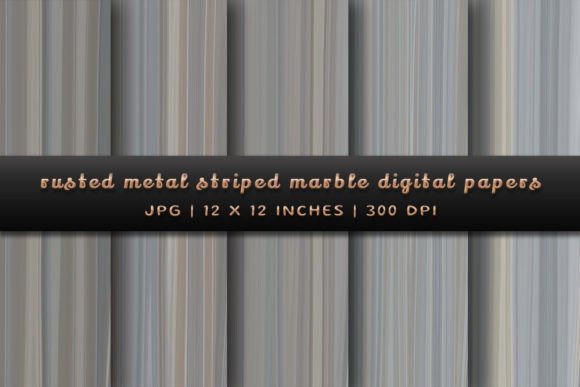
Pale Color Striped Marble Backgrounds: Elegant Digital Papers
In the world of digital design, the background isn't just empty space; it's the foundation that sets the entire mood of your project. A poorly chosen background can clash with your content or make it feel cheap. A well-chosen one, however, acts as a silent partner, elevating your message with texture, depth, and personality. This is where the right digital papers become indispensable design assets. They offer a quick, professional way to add sophisticated texture and visual interest without the complexity of creating it from scratch.
Understanding the Aesthetic: More Than Just a Pattern
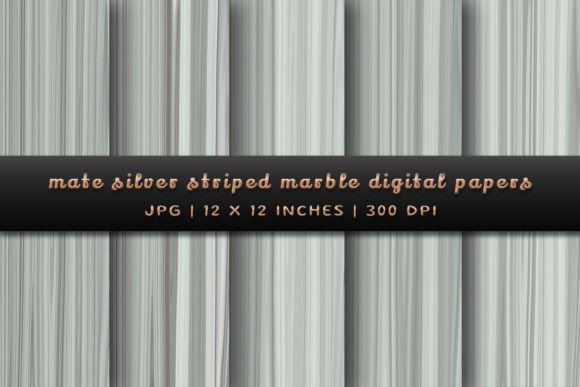
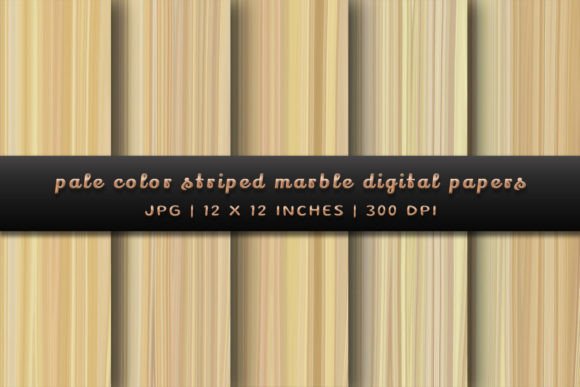
Pale Color Striped Marble Backgrounds are a specific category of design asset that blends two classic elements: the organic, luxurious feel of marble and a clean, geometric striped pattern. The "pale color" aspect is key. These aren't bold, high-contrast designs. Instead, they feature soft, muted hues—think gentle blush pinks, serene sky blues, subtle sage greens, or warm beige tones. The stripes themselves are often delicate, sometimes subtle variations in the marble's veining rather than hard lines. The overall effect is one of understated elegance, calm sophistication, and modern minimalism. It’s a style that feels both timeless and contemporary, avoiding the stark coldness of pure white while adding far more interest than a flat color block.
Where This Style Truly Shines: Practical Applications
The versatility of these backgrounds is one of their greatest strengths. Their refined yet unobtrusive nature makes them suitable for a wide array of projects across different mediums.
- Branding & Marketing: For businesses in wellness, beauty, luxury goods, real estate, or professional services, these backgrounds communicate quality and tranquility. They work beautifully for social media graphics, website hero sections, email newsletter headers, and digital ad backgrounds. They provide a consistent, branded texture that helps with brand identity and recognition without distracting from the core message or call to action.
- Print & Publishing: The sublimation-ready, high-resolution (300 DPI) nature of these papers makes them ideal for physical products. Imagine elegant wedding invitations, birth announcements, or thank you cards with a pale marble stripe backdrop. They are perfect for editorial design elements like chapter title pages, sidebars in magazines, or the background of a book cover that needs a touch of sophistication. Packaging design for artisanal products, cosmetics, or stationery can instantly gain a premium feel.
- Digital & Creative Projects: For bloggers, content creators, and digital artists, these papers are a lifesaver. Use them as backgrounds for quote graphics, podcast artwork, webinar slides, or YouTube thumbnails. In scrapbooking and digital journaling, they provide a beautiful, cohesive base for layering photos, text, and other embellishments. The possibilities for digital artwork and printable wall art are endless.
Integrating These Backgrounds into Your Design Workflow
Simply having a great asset isn't enough; knowing how to use it effectively is what separates good design from great design. Here’s how to approach working with these digital papers.
Choosing the Right Paper for Your Project
With a set of five variations, you have options. Don't just pick the first one. Consider the overall color palette of your project. If your primary text or graphic elements are dark, a slightly warmer or cooler pale stripe might work better than one that's too similar in value. Think about the emotion you want to evoke. A soft pink marble stripe feels more romantic and approachable, while a cool gray-blue stripe might convey calm professionalism. Always download and examine the actual files at full size before committing.
Font Pairing and Visual Hierarchy
This is where modern typography meets practical application. The subtle texture of a striped marble background demands careful font selection to maintain readability and create a clear visual hierarchy. Because the background is complex but low-contrast, it pairs exceptionally well with clean, simple typefaces.
- Sans Serif Fonts: A sans serif font like Helvetica, Futura, or a modern geometric typeface is often the safest and most effective choice. Its clean lines provide a crisp counterpoint to the organic marble texture, ensuring headlines and body copy remain highly legible. This combination is perfect for a modern typography look.
- Serif Fonts: A serif font with moderate contrast and clear letterforms can also work beautifully, especially for more traditional or elegant projects. Avoid overly ornate or high-contrast serifs that might compete with the background's detail. Think of a classic like Garamond or a transitional serif.
- Script & Handwritten Fonts: Use these sparingly and for large, prominent elements only. A script font or handwritten font can make a beautiful logo or headline accent when placed over a pale marble stripe, but it must be large enough and have enough contrast to be instantly readable. Never use them for body text over this background.
The key is to let the background support your content, not fight with it. Use the background for large areas, and keep your critical text within clean, possibly solid-colored boxes or ensure there's sufficient contrast and size.
Evaluating Quality and File Specifications
When sourcing design assets like these, quality is non-negotiable. The specifications listed—12x12 inches, 300 DPI, high-quality JPGs—indicate a professional-grade product. This high resolution is crucial for print projects to avoid pixelation and for digital work to allow for cropping and scaling. The ZIP file format is standard for distributing multiple files efficiently. Always ensure you have the tools to extract ZIP files and that you are sourcing your assets from reputable providers to guarantee you are getting exactly what is advertised and that the licensing is clear for your intended use, especially for commercial font and asset projects.
Incorporating Pale Color Striped Marble Backgrounds into your toolkit is about adding a layer of adaptable sophistication. They are not a flashy, one-trick pony but a versatile, reliable premium font equivalent for backgrounds. They solve the common problem of needing a textured, interesting base that doesn't overwhelm your primary design elements. By understanding their visual personality and applying them with thoughtful typography and layout, you can consistently elevate the professionalism and aesthetic appeal of a wide range of creative work.