Green Striped Marble Backgrounds: A Fresh Take on Digital Design
Understanding the Visual Character
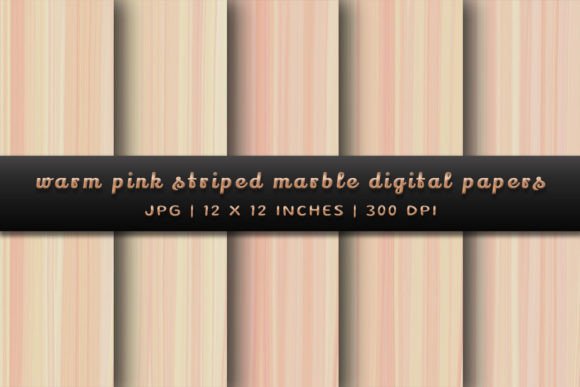
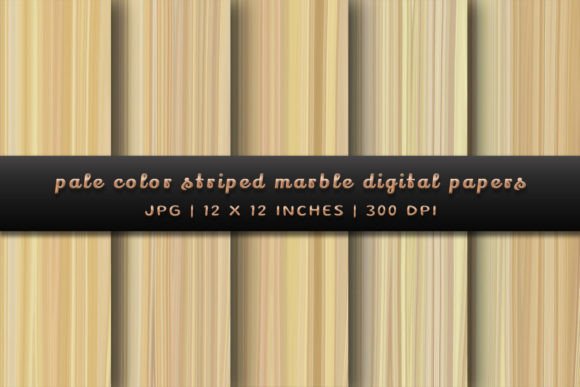
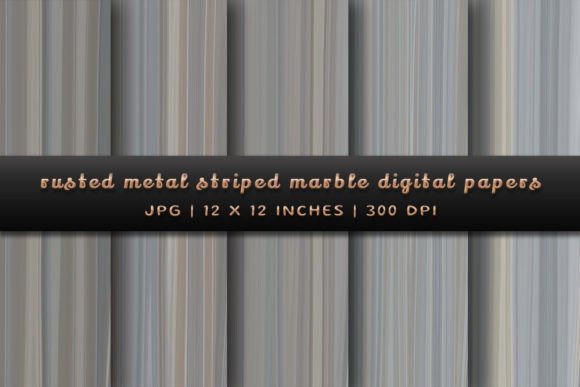
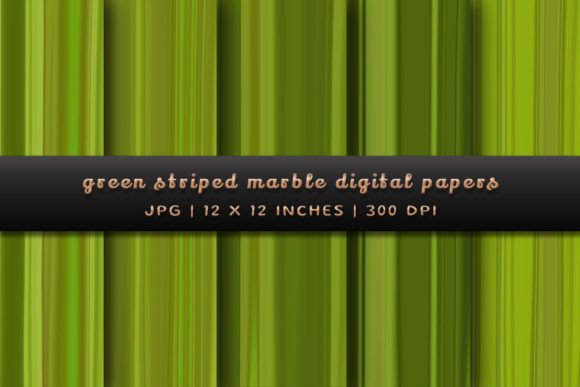
Green Striped Marble Backgrounds represent a fascinating intersection of natural elegance and structured modernity. The core visual characteristic is the interplay between the organic, fluid veining found in natural marble and the deliberate, rhythmic repetition of stripes. The green palette itself isn't a single shade but often a spectrum—think muted sage, deep forest, or vibrant emerald—woven through a lighter or darker stone base. This combination creates a texture that feels both timeless and contemporary. It’s not a chaotic pattern; the stripes provide a sense of order and direction, while the marble texture adds depth, sophistication, and a connection to the natural world. The personality of this design asset is one of balanced energy: calming yet dynamic, luxurious yet accessible.
Unlike a purely geometric stripe or an unadulterated marble slab, this hybrid offers unique versatility. The stripes can guide the eye, create rhythm, and offer subtle structure for layout design, while the marble element prevents the pattern from feeling sterile or overly corporate. It carries a fresh, modern appeal that can lean towards organic branding, tech-forward aesthetics, or even classic editorial design depending on the specific color saturation and stripe width. For a designer, it’s a background that does more than fill space; it sets a distinct and sophisticated mood.
Where This Pattern Truly Shines: Practical Applications
The real-world value of Green Striped Marble Digital Papers lies in their adaptability across a wide spectrum of projects. For brand identity and logo design, a subtle application can add depth to a brand mark or serve as a textured background for a wordmark, suggesting a brand that values both nature and precision. Imagine a wellness brand, a sustainable tech company, or a boutique consultancy using this as part of their visual language. In packaging design, it can elevate product labels, boxes, and shopping bags, making a product feel premium and thoughtfully designed without being ostentatious.
In the digital realm, these backgrounds are workhorses. For web design, they can be used as hero section backgrounds, subtle texture underlays for content areas, or striking banner graphics. The green tones are inherently easy on the eyes for prolonged screen viewing. For social media graphics, they provide a consistent, recognizable backdrop for quotes, announcements, and promotional content, helping a feed stand out with a cohesive aesthetic. Content creators and bloggers can use them for featured images, podcast artwork, or video thumbnails, instantly adding a layer of professional polish. In editorial design, think magazine spreads, report covers, or PDF guides—the pattern can frame content beautifully, adding visual interest without distracting from the text.
For crafters and hobbyists, the applications are equally exciting. These digital papers are perfect for sublimation projects on mugs, phone cases, and apparel. They can be printed for scrapbooking, card making, or journaling backgrounds. The 12x12 inch, 300 DPI high-resolution JPG files ensure quality is maintained whether you’re designing a digital invitation or printing a large-scale poster. The key is to see these backgrounds not as a single-purpose asset, but as a foundational design element that can be cropped, scaled, layered, and integrated into countless creative workflows.
Making It Work: Implementation and Design Strategy
Successfully incorporating Green Striped Marble into your work involves thoughtful execution. First, consider the visual hierarchy. Because this background has inherent texture and pattern, text and foreground elements must have sufficient contrast. Pairing it with clean, bold sans serif fonts for headlines or a classic serif font for body copy often works well, ensuring readability isn’t compromised. A script font or handwritten font can be used sparingly for accents, but testing is crucial to avoid a cluttered look.
When evaluating project fit, ask: Does this pattern support or distract from my message? For a legal firm, a very bold, high-contrast version might be too lively, but a softer, desaturated green with subtle stripes could work for a modern environmental law practice. For a children’s brand, the colors might need to be brighter and more playful. Always test the background with your actual content—place your logo, your headline text, and key images over it. Does it enhance them or fight for attention?
Think about font pairing and overall composition. If using the background in a layout, you might pull one of the greens from the pattern to use as an accent color for buttons, icons, or secondary text, creating a cohesive brand identity. For print projects, remember that screen colors can differ from print; if possible, do a small test print to check the vibrancy and texture translation. Finally, since these are high-quality commercial assets, ensure you understand the licensing for your intended use, whether for a personal blog or a client’s product line. The goal is to use this powerful design asset to its full potential, creating work that feels intentional, professional, and uniquely engaging.