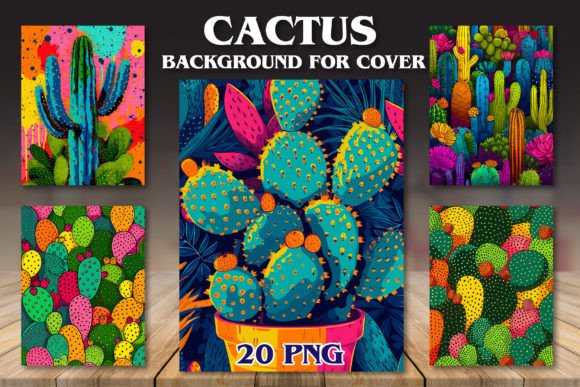
Cactus Backgrounds for Covers: A Desert Oasis for Your KDP Designs
More Than Just a Pretty Picture: The Visual Personality of a Cactus Background
When you think of a cactus, what comes to mind? For many, it's resilience, quiet beauty, and a touch of the exotic. That's precisely the visual personality you capture with a dedicated Cactus Background for Cover. This isn't just a generic plant image; it's a curated design asset that brings a specific mood and aesthetic to your projects. The visual characteristics are key: you'll find a range of styles from minimalist, elegant line art of saguaros to lush, watercolor-inspired desert scenes filled with prickly pears and flowering succulents. The color palettes often lean into earthy terracottas, muted greens, sandy beiges, and soft sunset pinks, creating a sense of calm and natural sophistication.
The overall appeal lies in its versatility and emotional resonance. A cactus background can feel serene and meditative, perfect for a mindfulness or adult coloring book cover. It can also evoke a sense of adventure and rugged individualism, ideal for travel journals or memoirs. For a small business owner or entrepreneur, using such a background on a digital product cover or a social media graphic instantly communicates a brand identity that is grounded, authentic, and connected to nature. It’s a visual shorthand for growth, patience, and blooming where you're planted—powerful metaphors for any creative or business endeavor.
Strategic Applications: Where a Cactus Background Truly Shines
Understanding where to deploy this design asset is crucial for maximizing its impact. The most obvious and primary use is in the realm of Amazon Kindle Direct Publishing (KDP). This is where the Cactus Background for Cover becomes an indispensable tool. For a KDP Interior designer or a publisher of coloring books, having a library of 20 high-quality, ready-to-use covers is a game-changer. It streamlines the publishing workflow, allowing you to create a professional, cohesive series of books—whether it's a line of stress relief coloring books for adults or a collection of fun coloring pages for kids—with remarkable efficiency. The 300 DPI PNG files ensure your printed covers look crisp and vibrant, meeting Amazon's quality standards without any last-minute scrambling.
Beyond the bookshelf, the applications extend into broader brand identity and marketing. Consider a blogger or content creator in the wellness, lifestyle, or home décor space. A cactus-themed background serves as a perfect, consistent visual element for their brand. It can be used to design:
- Social Media Graphics: Instagram posts, Pinterest pins, and Facebook banners that stand out in a crowded feed with a cohesive desert oasis theme.
- Digital Products: The cover for a printable planner, a digital journal, or a set of motivational wall art. The background sets the tone for the entire product.
- Web Design Elements: Used as a subtle website header, a blog post featured image, or a background for an email newsletter signup form to reinforce brand recognition.
For crafters and hobbyists, the value is in the creative expression. Imagine using one of these backgrounds as the base for a mixed-media art project, a scrapbook page, or even a custom phone case design. The high-resolution file allows for resizing and customization, so you can isolate a single cactus cluster, adjust the saturation, or overlay your own text and graphics to create something uniquely yours. It’s a massive bundle of design potential, far more flexible than a single stock photo.
Practical Guidance: Selecting and Using Your Cactus Backgrounds
Not all design assets are created equal, and choosing the right one requires a bit of practical evaluation. When you acquire a set like this, your first step should be to review the entire collection. Don't just look at the first image. Scan through all 20 covers to assess the variety. Do they offer a good mix of styles? Are some more illustrative and others more photographic? A diverse collection gives you more creative freedom and longevity as a design asset.
Next, evaluate the project fit. This is where you apply a designer's critical eye. A highly detailed, busy cactus scene might be stunning, but it could overwhelm a simple title for a minimalist poetry book. Conversely, a very sparse, graphic cactus illustration might lack the visual weight needed for a bold children's activity book cover. Consider the visual hierarchy of your final design. The background should support and frame your title and other text, not compete with it. Test how your chosen typography—a clean sans serif font for a modern feel or a gentle script font for a more personal touch—interacts with the background's colors and textures.
Finally, think about consistency and professionalism. If you're building a series, using backgrounds from the same collection ensures a unified look across all your publications, which strengthens your brand identity and makes your catalog look intentional and professional on platforms like Amazon. Always double-check the licensing for commercial use, especially if you plan to use the designs for client work or products you sell. A premium font or design asset license typically covers this, but it's a non-negotiable step to protect your business.
In the end, a Cactus Background for Cover is more than a decorative element. It's a versatile tool for storytelling, brand-building, and efficient creation. It allows designers, publishers, and entrepreneurs to inject a specific, appealing personality into their work, whether they're crafting a therapeutic coloring book or designing a suite of marketing materials for a new venture. By choosing thoughtfully and applying it strategically, you transform a simple background into a foundational piece of your creative and commercial success.