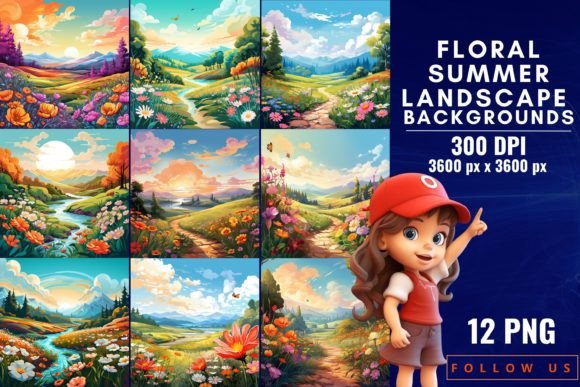
Blossoming Horizons: The Allure of Floral Summer Landscape Backgrounds
When you’re building a brand or a specific visual project, the background is rarely just empty space. It is the stage. It sets the mood before a single word of headline text is read or a logo is recognized. In the realm of digital assets, few elements evoke such immediate emotional resonance as Floral Summer Landscape Backgrounds. These aren't just generic stock photos; they are carefully curated scenes designed to capture the fleeting, vibrant energy of a summer bloom. For designers, marketers, and content creators, understanding how to leverage these assets is less about "pretty pictures" and more about strategic visual storytelling.
The Anatomy of a Summer Scene: More Than Just Flowers
At first glance, a floral background might seem self-explanatory, but the specific characteristics of a high-quality summer landscape offer distinct design advantages. The visual personality of these backgrounds is defined by a specific color temperature and textural depth. We are talking about rich, saturated greens, soft pastel pinks, vibrant yellows, and the warm, golden glow of summer sunlight.
Unlike a flat, single-color background, a landscape offers organic complexity. This complexity creates a sense of depth and realism that draws the viewer in. However, for a designer, the challenge is always usability. A background that is too "busy" can make text illegible. This is why the composition of these scenes matters. The best Floral Summer Landscape Backgrounds utilize techniques like shallow depth of field (bokeh) in the foreground or background. This keeps the texture and emotion of the florals present while leaving pockets of softer, less detailed space for typography or logo placement.
The "personality" of these assets is undeniably optimistic and energetic. They speak to growth, nature, and vitality. This makes them a potent tool for brands that want to be perceived as approachable, organic, or rejuvenating. Whether you are working on a premium font showcase or a lifestyle brand launch, the warmth of a summer landscape softens the digital experience, making it feel more human and less sterile.
Strategic Applications: Where Nature Meets Digital
Knowing where to deploy Floral Summer Landscape Backgrounds is just as important as having them in your library. Their versatility is their greatest strength, but application requires context.
In web design, these backgrounds work exceptionally well for hero sections—that prime real estate at the top of a homepage. For a lifestyle blog or a boutique e-commerce site, a summer landscape can immediately establish the seasonal relevance of the content. However, contrast is key. If you are overlaying a sans serif font, ensure the text color stands out against the floral hues. Often, placing a semi-transparent overlay over the image helps maintain the hierarchy of your web design elements.
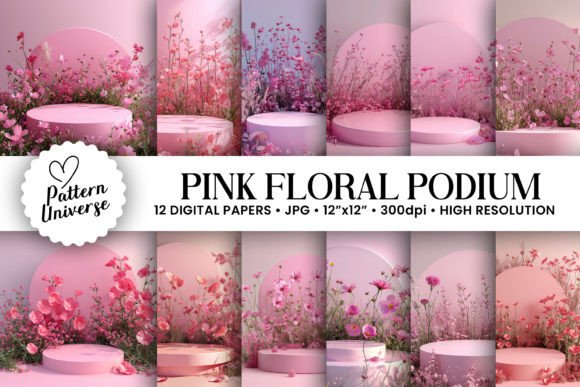
For social media graphics, consistency is the currency of engagement. Using a set of related floral backgrounds—such as the 12 scenes found in the Blossoming Horizons collection—allows a content creator to maintain a cohesive aesthetic grid on Instagram or Pinterest without the feed looking repetitive. One image might focus on a close-up of petals, while another captures a wide horizon, yet the color grading and mood remain unified.
Consider also the world of packaging design and physical products. If you are a small business owner selling artisanal goods, soaps, or teas, these backgrounds can be printed on belly bands, box inserts, or tissue paper. The tactile nature of print combined with the visual softness of florals creates a premium unboxing experience. Similarly, in editorial design, such as magazine covers or e-book layouts, these landscapes provide a lush canvas that elevates the perceived value of the publication.
Typography and Hierarchy: Making Text Work on Nature
The intersection of typography and photography is where many designs succeed or fail. When working with Floral Summer Landscape Backgrounds, your choice of typeface is critical. The organic, flowing nature of flowers pairs beautifully with certain typographic styles.
A script font or a handwritten font can mimic the natural curves of the petals, creating a harmonious and whimsical look perfect for wedding invitations or greeting cards. Conversely, a bold, geometric display font creates a striking contrast. The rigidity of the letters against the soft, wild nature of the flowers creates a modern, high-fashion aesthetic often seen in contemporary brand identity work.
Readability is the primary concern. When using a complex background, font pairing becomes a technical exercise in legibility. It is rarely advisable to use a light-weight serif or sans-serif body copy directly over a busy floral image without a container. Instead, try placing your body text in a solid-colored box or card that floats over the landscape. This preserves the clean look of your modern typography while allowing the background to frame the content.
Furthermore, the "weight" of the background should dictate the weight of the font. A dense, dark floral scene can support heavier, bolder type. A light, airy summer sky with sparse flowers calls for lighter, more elegant typefaces. Testing your font pairing across the different variations in a background pack ensures that your design system is robust enough to handle different content lengths and formats.
Practical Evaluation and Asset Management
For the professional designer or entrepreneur, the decision to use specific design assets comes down to utility and licensing. Not all backgrounds are created equal. When evaluating a set of Floral Summer Landscape Backgrounds, look for high resolution. Low-resolution images will pixelate on high-DPI screens or when printed, instantly cheapening your brand's appearance.
Here is a practical checklist for integrating these assets:
- Resolution Check: Ensure the files are high-resolution (typically 300 DPI for print or large pixel dimensions for web) to maintain exceptional clarity.
- Color Harmony: Analyze the color palette of the backgrounds. Do they match your existing brand colors? If not, you may need to apply color grading or use them only for seasonal campaigns.
- Space for Text: Look for images with "negative space" or areas of low detail where text can be placed comfortably.
- Licensing: Always verify the usage rights. For commercial font and asset use, you need a license that permits commercial application to avoid legal issues down the road.
Ultimately, incorporating Floral Summer Landscape Backgrounds into your toolkit is about adding versatility to your creative arsenal. They are not just decorative; they are functional design assets that can transform a flat layout into an immersive environment. By pairing them with the right typography and applying them with a strategic eye for hierarchy, you can ensure your projects not only look beautiful but also communicate your message effectively. Whether you are refreshing a logo design